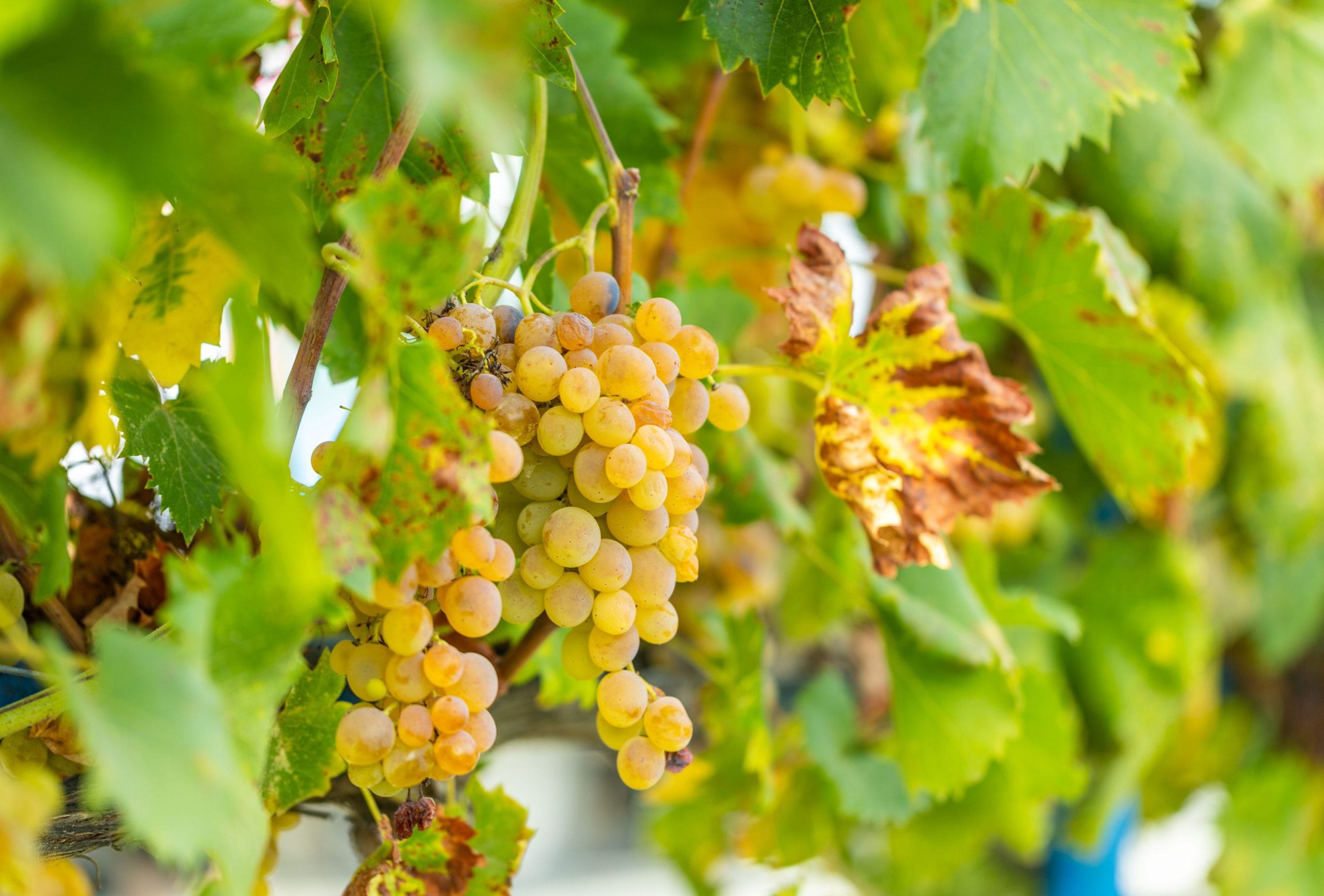
GRAŠEVINA – A CHALLENGE AND DISCOVERY The first lady of Slavonia & the Danube
So many songs have sung of the Danube’s flow, Yet Graševina still waits to be named in verse. For… The Danube cradles her, tends her, softly caresses, It stirs her awake, then whispers and soothes her again. And then… To us she is given, resting in our embrace, To us she is offered, sealed with a kiss, And left in our keeping – An eternal gift, a living legacy.
Graševina should be deeply understood and discovered – its beautiful features, seductive smiles, charming lines, and the dignified elegance of a lady in her later years.
Why I love Graševina
Graševina is a constant challenge and new discovery. I have written about it extensively, returned to it and moved away from it, carried it with me, and gifted it wholeheartedly to those who believed in it and to those who did not. I love it for its ability to always be something else. It can be a sparkling wine with fresh or brioche notes; it can be young and playful like a spirited Slavonian girl skipping through green vineyards in early summer; it can be a young woman in silk on a Sunday, scented with the freshness of the nearby Danube; it can be a mature lady, elegant and refined, dressed in a Chanel suit with the finest tertiary (perfumed) notes. Simply put, it’s wonderful. Exceptionally interesting in every one of its (and our) moments. Graševina should be understood and slowly discovered – its beautiful features, seductive smiles, charming lines, and the dignified elegance of a lady in her later years.

What Graševina loves
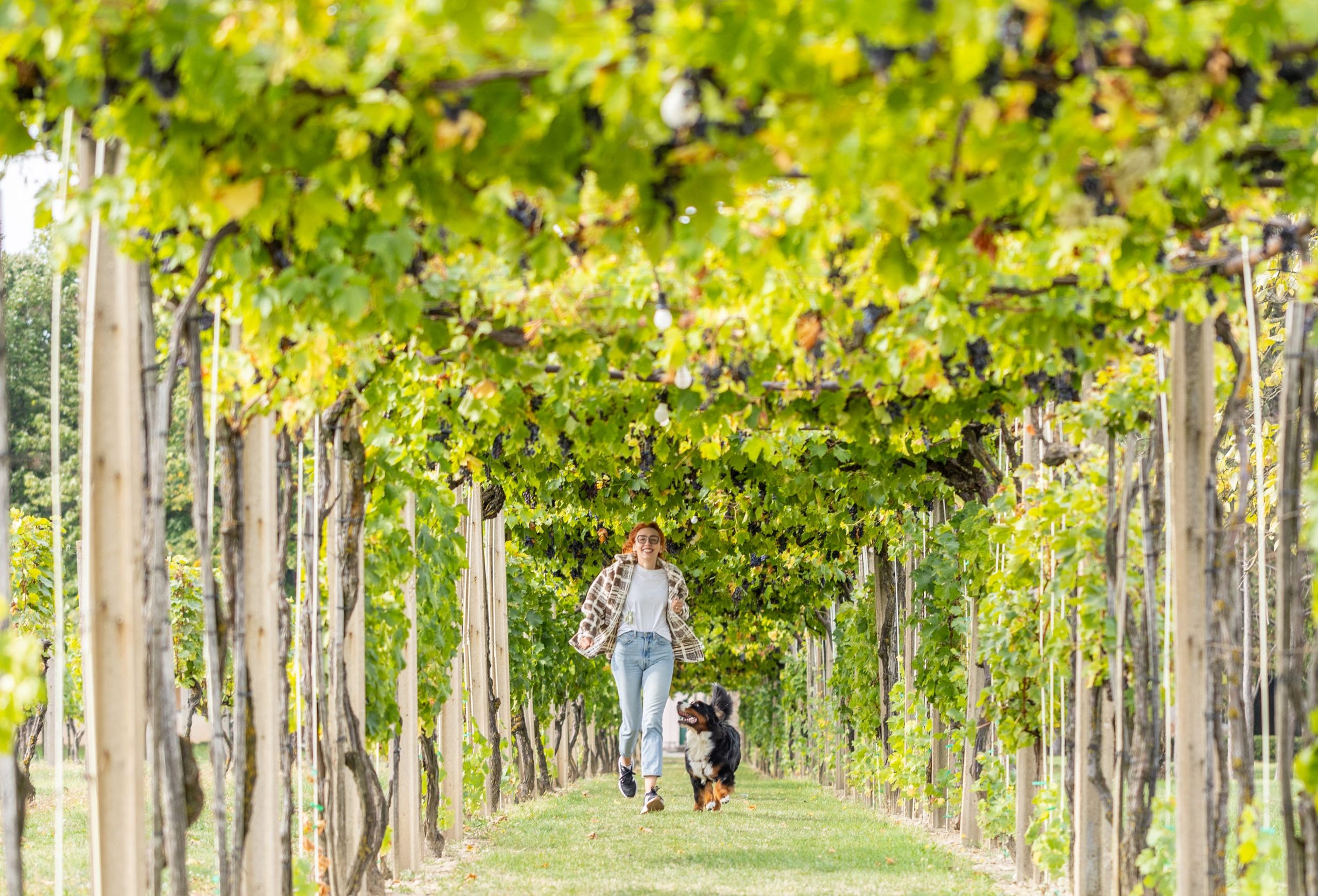
Graševina thrives in continental vineyards, on elevated positions facing south and sheltered from the wind, in cooler soils and nutrient-rich terrain. It produces wines with notable freshness, pleasant acidity, fruitiness, and floral notes. It is a remarkably versatile variety, capable of producing a wide range of wine styles – from sparkling to predicate wines. Depending on vineyard location, cultivation methods, vine load, harvest timing, and treatment in the cellar, Graševina can become anything. From sparkling wines which are fresh, light, fruity and ideal for summer, fuller-bodied wines aged in wooden barrels, macerated (amber) wines, to high-quality sweet predicate wines.
What is Graševina like?
Young Graševina has a yellow-green hue, fresh taste with aromas of green apple, pear, and vineyard peach; and a refined, gently acidic palate. The moderate alcohol content makes it pleasantly refreshing, while its floral bouquet often recalls linden blossoms or jasmine. Late-harvest Graševina displays yellow to golden notes, with flavours of stewed white stone fruit enriched by honey and distinctive notes of noble rot. On the palate, these wines range from luscious to sweet, with creamy to syrupy structure. Young wines are ideal as an aperitif or paired with cold starters and warm dishes featuring asparagus, artichokes, or avocado; while more structured Graševinas pair beautifully with roasted fish, chicken, veal, and traditional fish stew (fiš paprikaš). The predicate ranges are excellent companions to cheeses such as Gorgonzola and Roquefort, as well as desserts.
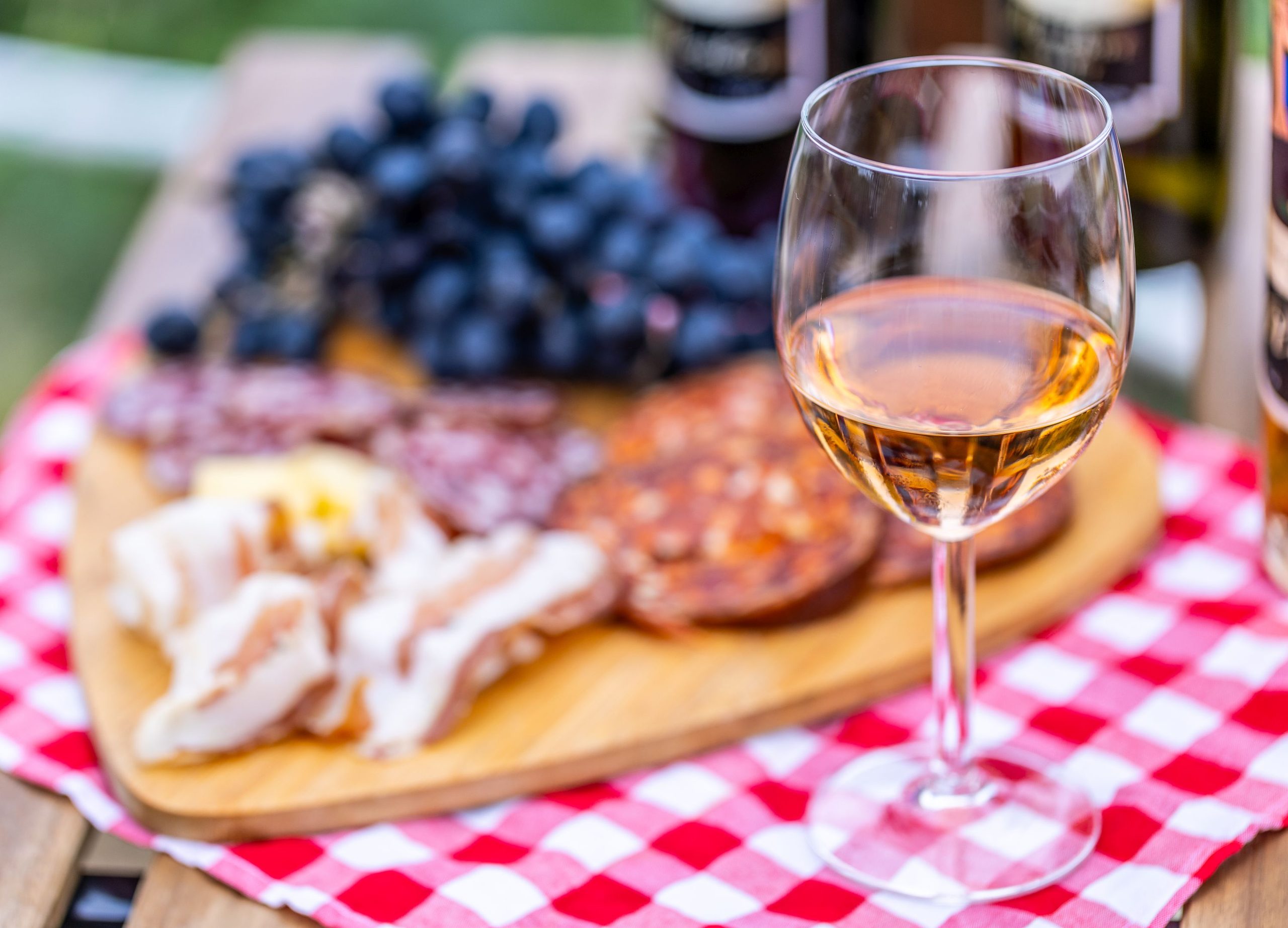
The perfect gastronomic wine
Baranja’s Graševina wines are high in sugar, alcohol, and body. They are full, rounded, lush, and slightly sweet. Those from the slopes of Fruška Gora in Srijem carry fresher aromas, higher acidity, and lighter, more aromatic profiles. The Graševinas of Kutjevo are vibrant and powerful, with full aromas, an excellent balance of acidity and sugar, and pronounced juicy apple notes. Finally, the Graševina wines of Erdut carry the minerality of the Danube along with an irresistibly smooth drinkability. In regular harvests, Graševina expresses fruity aromas ranging from apple and citrus to subtle herbal notes. In warmer years, the aromas lean toward exotic fruits, while later harvests reveal abundant floral and honey notes. Graševina is particularly suitable for very late harvests, selected harvests and ice wines, especially in northern regions where the acidity persists despite high sugar levels. A shared characteristic of all Graševinas is a distinctive spicy-bitter aftertaste, which makes it an ideal gastronomic wine.
Contacts:
- Most visited wineries in Osijek-baranja county
Text: Marija Vukelić